Quick Verdict
Best for: Hobbyists and DIY robot-cleaner projects needing a compact, low-voltage pump.
Watch out: Listing lacks flow rate, current draw, dimensions, and material details.
Bottom line: Good budget option for prototyping if you confirm missing technical specs first.
Key Listing Details
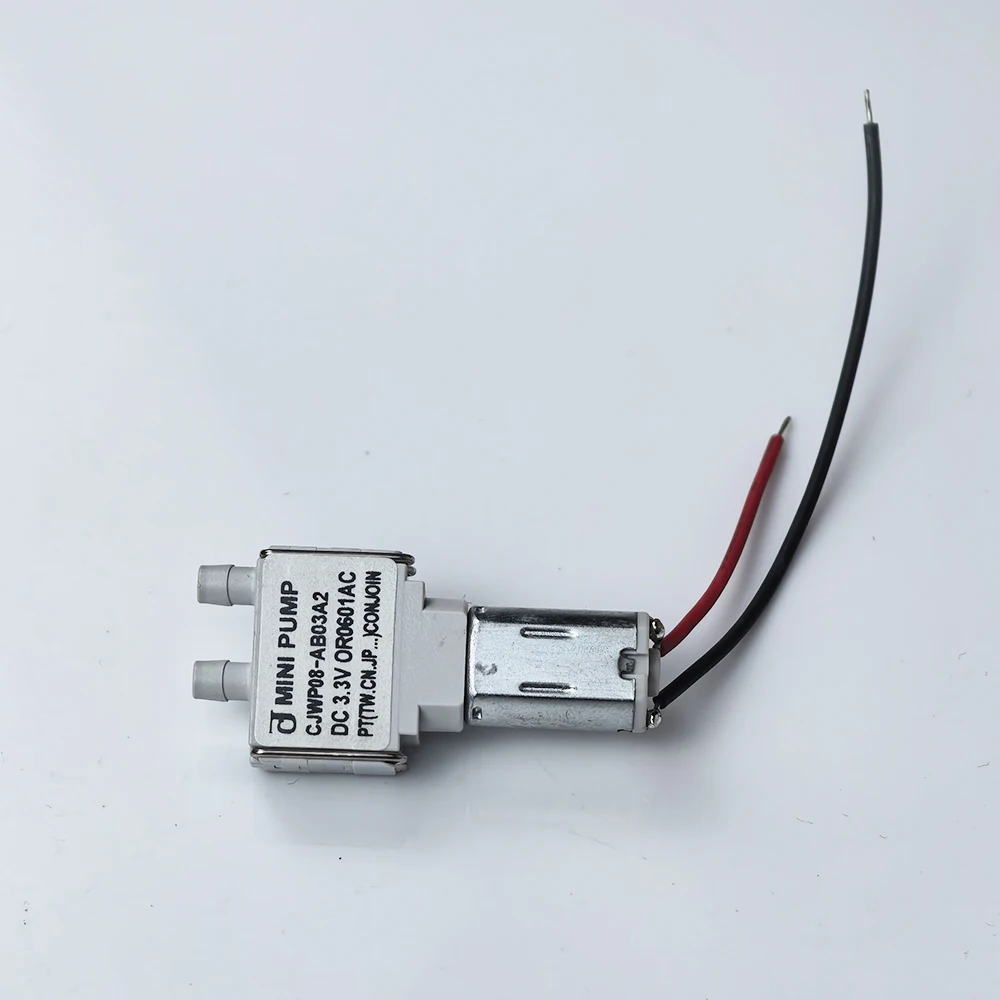
| Product | Mini DC self-priming diaphragm pump |
| Pump Type | Micro self-priming suction diaphragm pump |
| Voltage Options | DC 3V / 3.3V / 3.7V |
| Price | USD 7.99 (original USD 8.59, 7% off) |
| Orders | 265 |
| Rating | 97.2% |
| Shipping Note | Ship to US in 12 days |
Use Case Fit
What Matters Most Before You Buy
Why it matters: Ensures the pump will run from your battery or controller without additional regulators.
What the listing shows: DC 3V / 3.3V / 3.7V
Why it matters: Reduces setup steps and helps the pump start pulling liquid without manual filling.
What the listing shows: Self-priming suction diaphragm pump
Why it matters: Lower cost and visible orders/rating help evaluate risk for prototyping purchases.
What the listing shows: USD 7.99, 265 orders, 97.2% rating
Fast Buying Checklist
- Confirm voltage matches your power source (3V/3.3V/3.7V).
- Ask seller for flow rate and current draw.
- Verify inlet/outlet size and physical dimensions.
- Check materials if pumping chemicals or abrasive liquids.
More Listing Photos
4 additional product photos are available on the listing page. This post intentionally shows only the main image here so Pinterest RSS does not create multiple duplicate pins from one article.
Pros
- Low-voltage options (3V / 3.3V / 3.7V) ideal for battery-powered projects
- Self-priming diaphragm design reduces setup fuss
- Affordable price with solid buyer interest and rating
Cons
- No flow rate or current draw listed
- No clear dimensions or material information
- Not suitable without confirmation for production use
The Everyday Problem This Solves
Small robots, countertop cleaning rigs, and hobby builds often need a compact way to move small amounts of water without bulk, high voltage, or complicated plumbing. The mini DC diaphragm pump in this listing promises low-voltage operation and self-priming suction — two traits that matter when you want a pump that fits into a tight cavity and starts drawing liquid without fiddly manual priming.
I look for components that make a project simpler, not more finicky. A tiny pump that runs at around 3 volts can be powered from small battery packs or low-voltage controllers many hobbyists already use. Self-priming means the pump should pull water up from a reservoir by itself, which saves a lot of setup headaches when you can’t keep the inlet submerged at all times.
Why It Stands Out
This listing highlights three practical points: low-voltage DC operation (3V, 3.3V, 3.7V), a diaphragm-style design, and self-priming suction. Low-voltage compatibility matters because it reduces the need for voltage regulation in portable or battery-powered projects and keeps electrical complexity down. Diaphragm pumps are typically good at handling small, intermittent flows and can tolerate brief dry runs better than some impeller pumps — useful for intermittent cleaning cycles in a robot cleaner. Self-priming saves you from manually filling the pump before first use and helps if the water level can drop between cycles.
On the purchase side, the listing price is $7.99 (discounted from $8.59), the item has 265 orders and a 97.2% rating, and it lists shipping to the US in about 12 days. Those signals suggest steady buyer interest and reasonably quick delivery for a direct-from-supplier purchase.
Real-Life Use Cases
- Robot cleaners: A compact pump that can run at ~3V is appealing for small robot cleaners that need to deliver a controlled squirt of cleaning solution or top up a tank without heavy power draw. The self-priming feature means fewer startup problems if the pump sits idle between cleaning cycles.
- DIY countertop cleaners and wipers: If you’re building a handheld or tabletop cleaning device, a tiny, low-voltage pump can be integrated without a big power supply. Being diaphragm-based, it’s suited to on/off pulsing rather than high continuous flow.
- Hobby projects and micro-irrigation experiments: For makers who want to automate a small drip or intermittent water feed, the low voltage and advertised self-priming action can simplify wiring and plumbing.
Note: The listing does not clearly show flow rate, current draw, dimensions, or materials. That means you’ll need to confirm those specifics if your project depends on exact performance numbers or mounting fit.
What to Check Before Buying
- Voltage match: Make sure the pump’s listed voltages (3V / 3.3V / 3.7V) match your controller or battery source. Using the wrong voltage can mean poor performance or shortened life.
- Flow and current: The listing doesn’t state flow rate or current draw. If you need a known flow (mL/min) or must budget battery life, ask the seller for those numbers or look for a datasheet.
- Physical fit and fittings: The listing lacks clear dimensions and connector types. Verify inlet/outlet sizes and overall dimensions so the pump will mount where you intend.
- Materials and longevity: The listing doesn’t specify housing or diaphragm materials. If you plan to pump chemicals or abrasive solutions, confirm compatibility.
- Shipping and seller signals: Price is $7.99 with 265 orders and a 97.2% rating, and shipping to the US in 12 days — useful indicators of availability and buyer satisfaction but not a replacement for technical specs.
Final Take
If you need a compact, low-voltage pump for prototype robot cleaners or small maker projects and you can tolerate a bit of unknown on the performance front, this pump looks like a practical, budget-friendly option. The advertised 3V–3.7V range and self-priming diaphragm design align with common DIY needs: simple power, self-starting suction, and suitability for intermittent tasks.
However, don’t buy this as a drop-in component for a production device until you’ve confirmed flow rate, current draw, mounting dimensions, and material compatibility with the seller. The listing provides useful buyer signals — price, orders, rating, and shipping time — but lacks the technical detail many projects require.
Bottom line: promising for hobbyists and experimental robot-cleaner builds, but verify missing specs before committing for a mission-critical or production use.
FAQ
Will this pump work with my robot vacuum?
The listing positions the pump for robot cleaners, but it doesn't list specific model compatibility. Check your robot's voltage and available mounting space before buying.
Does the listing show flow rate and power draw?
No — the listing doesn't clearly show flow rate or current draw. Request these specs if you need precise performance numbers.
How long will shipping take to the US?
The listing notes shipping to the US in about 12 days.
This post may contain affiliate links.

Comments